










Supporting science education
02/10/2015The NZASE welcomes new president, Chris Duggan, who is on a mission to raise the profile of the association and provide support to all New Zealand science educators – particularly those in primary schools.
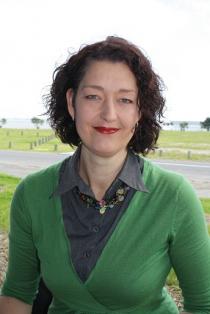 Chris Duggan wants science teachers to know that NZASE is ready to serve them.
The newly-elected president of the New Zealand Association of Science Educators is excited by her new role, and is looking forward to connecting with NZASE members all around the country.
“Belonging to a subject association can be really beneficial to a school, and to individual teachers,” she says. “I want to raise the profile of our association among scientists and science educators.
“There can be some misunderstanding about what we do as an organisation. I really want people to have a better understanding of what the journal and the website is all about. It’s important that we all have complete buy-in,” she says.
In the near future, Chris hopes to survey the membership, in order to better understand how they can be served.
“We need to get the message out there that we work together, that we are all science educators, and responsible for science education. And that NZASE is here to support them with that job.”
In particular, Chris says, she wants primary teachers to realise their importance as members of the association.
“Our goal is to let primary teachers know that we are here to serve them, and to help them grow in confidence in the way they teach the subject. We can do this by helping with resources, professional development, and other kinds of support.”
House of Science Tauranga provides practical help
Chris started her science journey by completing a biochemistry degree at Massey University. She was a classroom teacher, then HOD science at Tauranga Girls’ College, before undertaking a large project establishing Tauranga-based science education organisation House of Science Tauranga. She is now director of the House of Science Tauranga, which aims to resource and connect primary, secondary, tertiary and industry in science learning.
She says that although it might be seen to some as a conflict of interest, her position within the House of Science enables her to interact with classroom science teachers every day, and better understand their needs.
“Because I’m involved in the running of the House of Science, I do feel that I have a much better understanding now of what the needs in primary schools are, especially. My job allows me the potential to get out and about a lot more than I could as a classroom teacher.”
What are those needs? “Put simply,” says Chris, “they need confidence and resources. What we’re doing is giving them practical help, basically. House of Science resources do certainly seem to be hitting the mark.”
“There are a lot of amazing online resources out there,” she says, “but ultimately, teachers need to have something actually in their hands; something ready to use. No hurdles. Not too many steps. And then if they’re not confident to teach science to start off with, it all just becomes too hard.”
Established in early 2014, and run through a charitable trust, the House of Science facilitates the sharing of local science resources. This involves the creation of relevant material and coordinated delivery of professional development and science resources. Simultaneously, links between the local science community and schools are strengthened.
In addition, the organisation offers special-interest clubs and school holiday programmes for school students, science conferences, and public events.
Since its beginning, the House of Science has grown significantly, says Chris.
“Seventy-five per cent of our local schools are now members, which represents 85 per cent of our students, so most of our local children have some contact with us.”
The day-to-day operation involves a science resource library packed with materials to the value of more than $35,000, and some generous volunteers, keen to help bring the joy of science to their local community.
“The resource library is staffed by volunteers. These science-loving souls give their time to deliver the kits to schools each week. Currently, the resources are reaching between 700–1000 students per week.”
Between directing the growth of the House of Science, and her new position as president of NZASE, Chris is excited about the future of science education in this country, and sees her role as a driving force for change.
“Even though I do miss classroom teaching and my students, I’m living the dream,” she says.


Post your comment
Comments
No one has commented on this page yet.
RSS feed for comments on this page | RSS feed for all comments